Unlocking Opportunities: The Benefits of Multi-Language Software for Service Businesses
Introduction
In today's global marketplace, businesses are no longer confined to local clientele. For small service companies, such as plumbing or electrical services, the ability to communicate effectively with a diverse customer base can make all the difference. This is where multi-language software comes into play. Imagine a plumber who can seamlessly interact with Spanish-speaking customers just as fluently as with English speakers. This not only builds trust but also expands the customer base significantly.
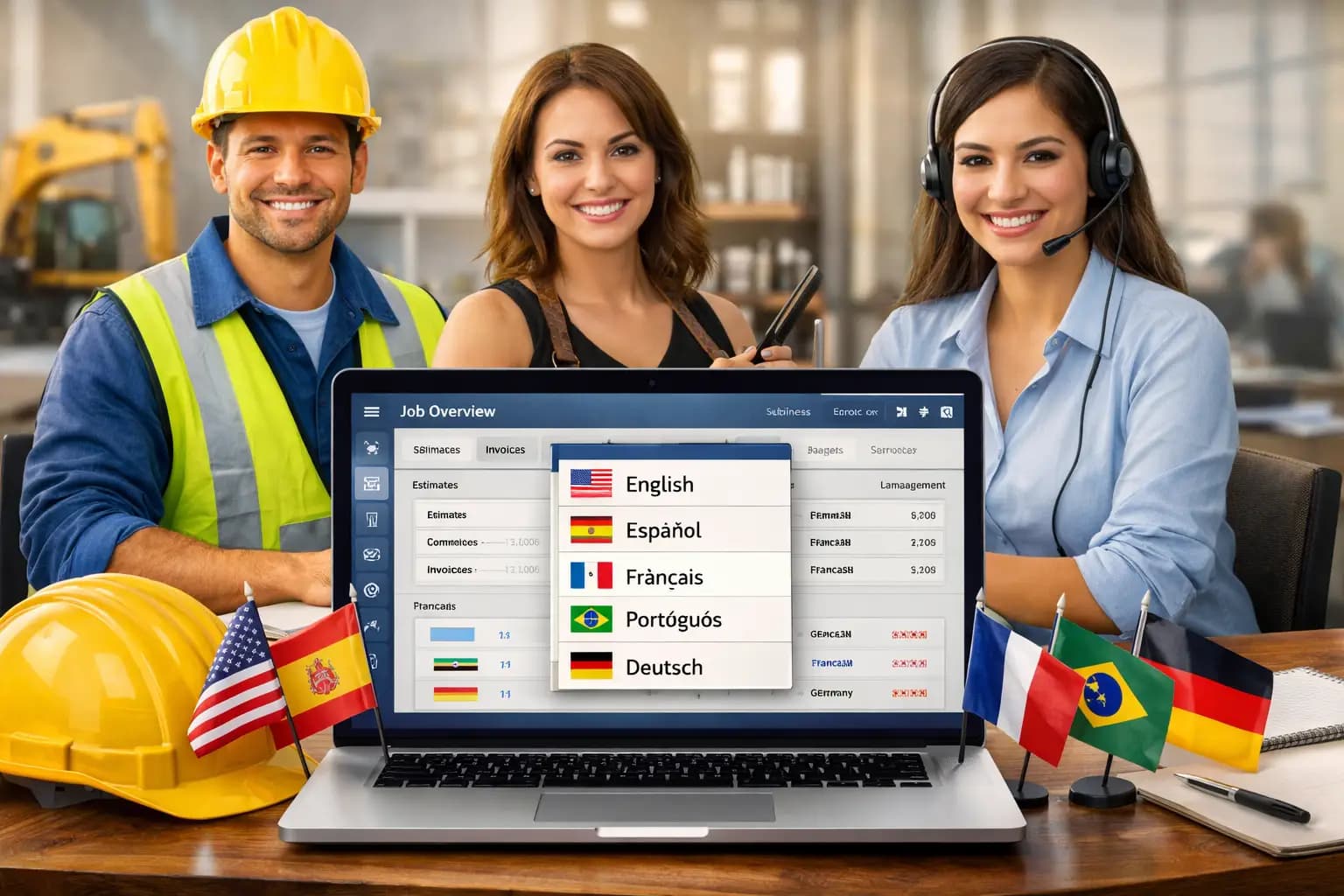
With software solutions like BillingHub360, the power of multi-language functionality allows tradespeople to break down language barriers effortlessly. In this blog post, we will explore the numerous benefits of adopting a multi-language software system, particularly for service-oriented businesses.
Enhancing Customer Engagement
One of the primary benefits of multi-language software is its ability to enhance customer engagement. When customers can interact with your business in their native language, it fosters a connection that can significantly improve customer satisfaction. For example, an electrician who communicates with a client in Spanish might find that the client feels more comfortable discussing their needs and concerns, leading to better service outcomes.
Furthermore, this improved engagement can result in positive word-of-mouth referrals. A satisfied customer is likely to recommend your services to friends and family who speak the same language. This organic marketing is invaluable for small businesses looking to grow their client base without extensive advertising costs.
Expanding Market Reach
Multi-language software opens the door to new markets. By catering to non-English speaking customers, service businesses can tap into communities that were previously overlooked. For instance, a plumbing service that offers its services in both English and Spanish can attract a wider audience, leading to increased job opportunities and revenue.
Moreover, as demographics shift in many regions, understanding and catering to different language groups can give your business a competitive edge. In areas with substantial Hispanic populations, for example, offering bilingual services can set your business apart from competitors who do not accommodate these customers.
Improving Operational Efficiency
Implementing multi-language software can also streamline operations. By standardizing communications across different languages, service businesses can reduce the chances of miscommunication and errors in service delivery. Imagine a scenario where a technician receives a job order in Spanish; without a multi-language system, they might misunderstand critical details, leading to service delays or customer dissatisfaction.
Additionally, having all operational documents, invoices, and communications available in multiple languages can save time and resources. Staff can quickly access the information they need, regardless of their language proficiency, enabling them to focus on delivering high-quality service rather than spending time translating documents.
Boosting Brand Image
In the competitive landscape of service businesses, brand image is everything. Utilizing multi-language software not only demonstrates a commitment to inclusivity but also positions your brand as a modern and customer-centric organization. Customers are increasingly drawn to brands that reflect their values and understand their diverse backgrounds.
For example, a plumbing business that actively promotes its bilingual capabilities can attract a loyal customer base. When clients see that your company acknowledges and respects their language and culture, they are more likely to choose your services over others. This positive perception can translate into higher customer retention rates and increased sales.
Conclusion
Ready to streamline your business?
Join thousands of entrepreneurs who trust BillingHub360 to manage their invoices, estimates, and expenses seamlessly. Start your free trial today and take control of your finances.
Comments (0)
No comments yet. Be the first to share your thoughts!